





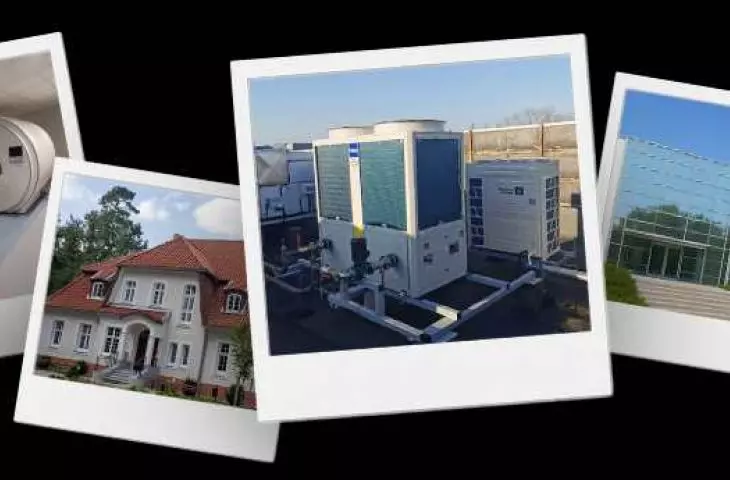



From the series “Heating, Air Conditioning, Ventilation — Trends for 2026”
Designing systems for large commercial buildings is a significant challenge today—energy costs are rising, and environmental standards are becoming increasingly stringent. Building separate systems for cooling and heating has simply ceased to be cost-effective. In line with trends for 2026, developers are seeking maximum optimization. The answer to these challenges lies in Haier’s modern water-cooled chillers. Today’s chillers can cool, heat, and provide domestic hot water all within a single system. How is the Super Clima series changing the approach to designing office buildings, hotels, and industrial facilities?
1. Multifunctionality and Heat Recovery (Cost-Effective Domestic Hot Water)
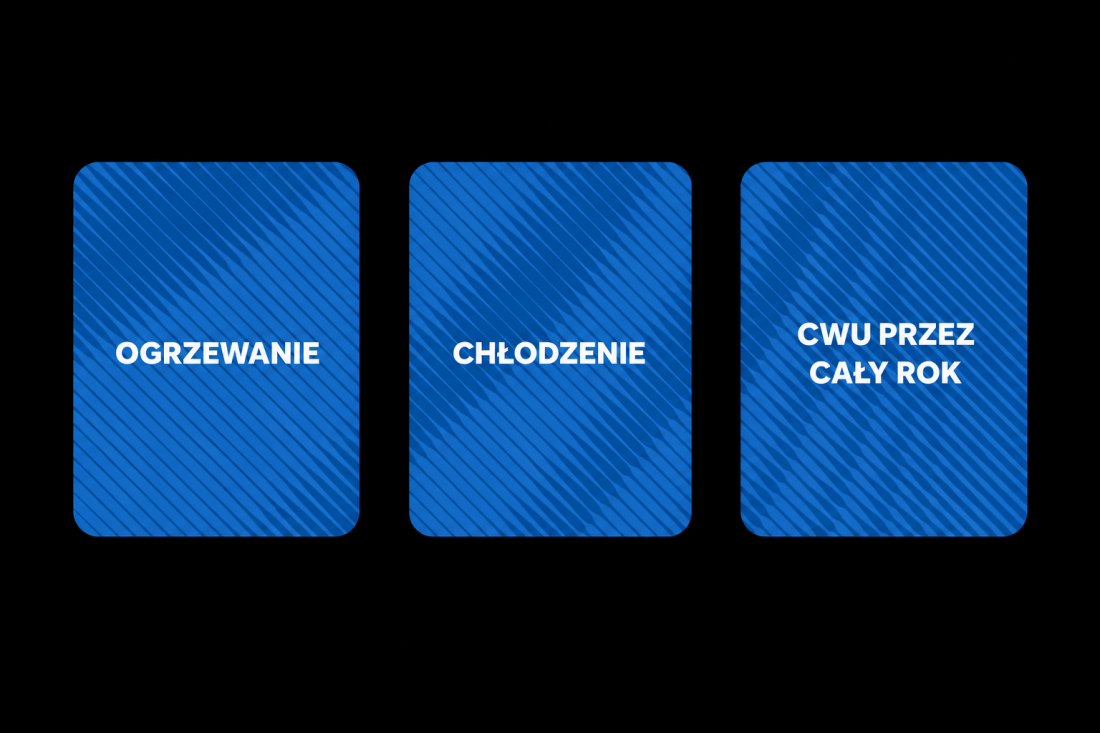
Today, multifunctionality is what matters most in the industry. Investors do not want to build separate systems for cooling and heating. Heat recovery is a groundbreaking trend. A great example of such an integrated solution is Haier’s Super Clima series of heat pumps and chillers. This system is capable of recovering heat. This means that energy which, in traditional systems, would simply be vented outside is captured here and used to heat domestic hot water. In cooling mode, the unit can efficiently heat domestic water to as high as 60 degrees Celsius. In hotels or large spa resorts, this results in significant annual savings.
© Haier
2. Design Flexibility and the Power of Cascading Systems
Large commercial projects require scalability. The Super Clima series offers units with capacities of 70 kW, 100 kW, and 140 kW. Crucially for facility safety, the larger models feature two independent refrigeration circuits. This ensures safe operation even when the system is not running at full capacity. For architects and engineers, however, the most important factor is ease of expansion. The units can be connected in a so-called cascade configuration, with up to 16 units. This allows for powerful cooling capacity of up to 2 MW. This modular design allows the investment to be spread out over time and additional units to be added as needed.
3. Reliability in Extreme Conditions and Building Automation
In the era of climate change, HVAC systems must be prepared for extreme weather events. The Super Clima unit can cool even when the outside temperature reaches 53 degrees, and heat when it drops to 30 degrees below freezing. These units guarantee the highest level of fire safety, as the entire system (unit) is safely located outside the building, while water or a safe glycol solution circulates within the system. A modern building in 2026 cannot function without smart systems. Haier units fit perfectly into this trend, as the system integrates very easily with the building’s central control system (BMS).
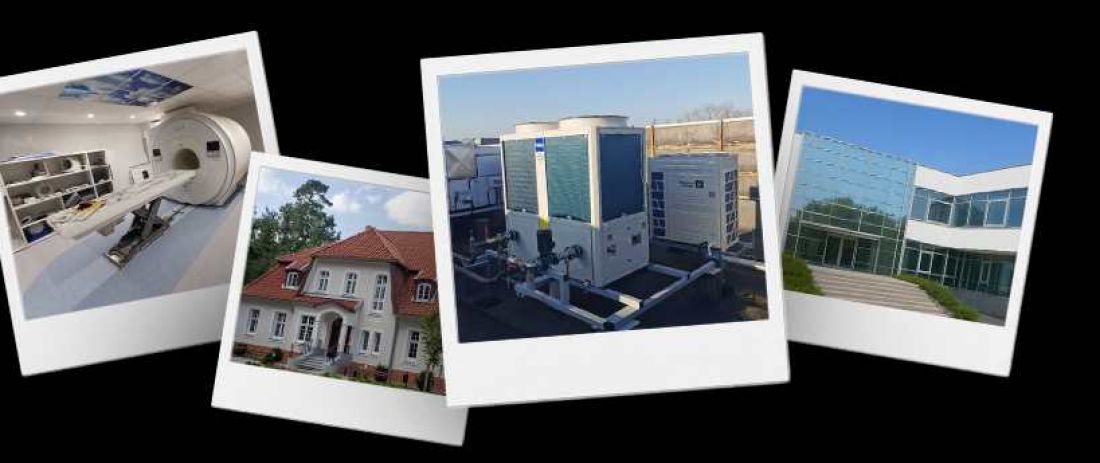
© Haier
4. A Complete Ecosystem and Energy Savings
Today, designers must take a holistic approach to air conditioning. It’s worth viewing the CHILLER not as a standalone unit, but as part of the entire system. A chiller connected via a water-based system to the end-use units offers incredible flexibility. On the load side, there can be fan coil units, air handling units, water heaters, radiators, or underfloor heating. This allows the unit’s operation to be tailored to the building’s characteristics, its functions, and the existing infrastructure. Additionally, the use of modern compressors and an eco-friendly refrigerant allows the unit to seamlessly adjust its output to the building’s current needs. This translates to significantly lower electricity bills.
Learn more and choose a system: Selecting the right air conditioning and heating system determines a building’s operating costs for years to come. Are you an investor or a designer? Do you need to select a multifunctional chiller for your project? Contact us: Haier Design Support and B2B